The Solar Wind Hybrid Systems Market has emerged as a critical segment within the global renewable energy landscape, offering a reliable and sustainable solution to meet growing energy demands. Solar wind hybrid systems integrate solar photovoltaic (PV) panels and wind turbines with energy storage and advanced control systems to generate electricity more efficiently and consistently than standalone renewable energy solutions. By leveraging the complementary nature of solar and wind resources, these systems help overcome intermittency challenges and provide continuous power supply across diverse applications.
This market research article presents a detailed analysis of the solar wind hybrid systems market, covering market overview, growth drivers, restraints, segmentation, regional outlook, competitive landscape, key trends, and future growth prospects.
Market Overview
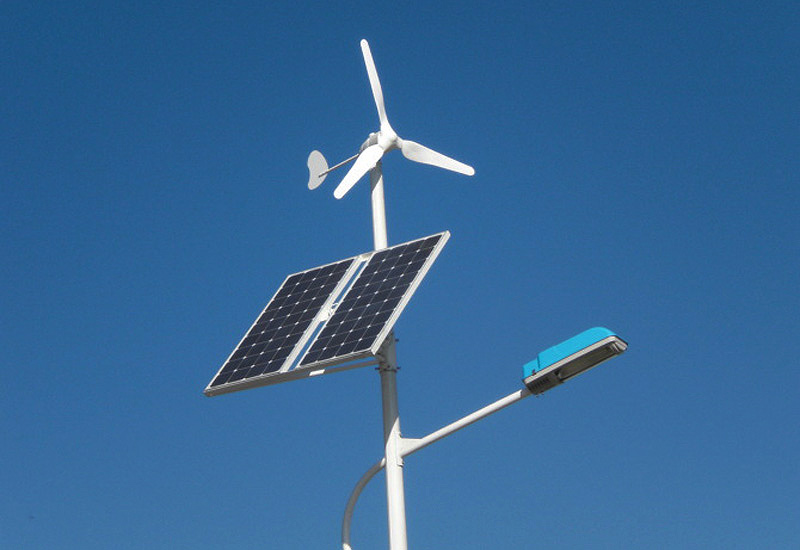
Solar wind hybrid systems combine two renewable energy sources—solar and wind—into a single integrated power generation system. Solar panels generate electricity during daylight hours, while wind turbines produce power during windy periods, including nights and seasons with lower solar irradiance. Energy storage systems, such as batteries, further enhance system reliability by storing excess energy for later use.
These systems are widely deployed in off-grid and grid-connected applications, including rural electrification, telecom towers, industrial facilities, commercial buildings, military bases, islands, and microgrids. The global solar wind hybrid systems market is expanding rapidly due to increasing energy demand, rising concerns about climate change, and growing investments in renewable energy infrastructure.
Market Drivers
Rising Demand for Reliable and Clean Energy
The global push toward clean energy solutions has significantly increased demand for reliable renewable power systems. Solar wind hybrid systems offer higher energy availability compared to single-source systems, making them suitable for critical applications where power continuity is essential.
Government Policies and Renewable Energy Targets
Supportive government policies, incentives, and renewable energy targets are major growth drivers. Many countries have set ambitious goals to increase the share of renewable energy in their power mix, encouraging the adoption of hybrid systems for both grid-connected and off-grid projects. Subsidies, tax benefits, and favorable regulations further support market expansion.
Growth of Rural Electrification and Off-Grid Power Solutions
In many developing regions, large populations still lack access to reliable electricity. Solar wind hybrid systems provide an effective alternative to diesel generators, offering clean, cost-effective, and low-maintenance power solutions for remote and rural areas.
Declining Costs of Renewable Energy Technologies
The cost of solar PV modules, wind turbines, and energy storage systems has decreased significantly over the past decade. These cost reductions have improved the economic viability of solar wind hybrid systems, making them more attractive to utilities, businesses, and communities.
Market Restraints
High Initial Capital Investment
Despite declining technology costs, the initial investment required for installing solar wind hybrid systems remains relatively high. This can be a barrier for small-scale users and communities without access to financing or government support.
Technical Complexity and Integration Challenges
Designing and integrating hybrid systems requires technical expertise to optimize system performance based on local solar and wind conditions. Improper system design can lead to inefficiencies and increased maintenance requirements.
Dependence on Site-Specific Conditions
The performance of solar wind hybrid systems depends heavily on local weather and geographical conditions. Areas with low wind speeds or limited solar radiation may experience reduced system efficiency.
Market Segmentation
By System Type
-
On-Grid Solar Wind Hybrid Systems
-
Off-Grid Solar Wind Hybrid Systems
Off-grid systems dominate the market due to high demand for rural electrification, remote industrial operations, and telecom infrastructure.
By Component
-
Solar Photovoltaic Panels
-
Wind Turbines
-
Inverters and Controllers
-
Monitoring and Control Software
Energy storage systems are a critical component, ensuring uninterrupted power supply and improved energy management.
By Application
-
Residential
-
Commercial
-
Industrial
-
Telecommunication
-
Utilities
-
Military and Defense
Telecommunication towers and remote industrial sites represent key application segments due to their need for continuous and reliable power.
By End User
-
Utilities
-
Independent Power Producers
-
Commercial Enterprises
-
Government and Defense Organizations
-
Rural and Remote Communities
Regional Outlook
Asia-Pacific
Asia-Pacific is the largest and fastest-growing market for solar wind hybrid systems. Rapid population growth, increasing energy demand, and extensive rural electrification programs in countries such as China, India, and Southeast Asia are driving market growth. Favorable government policies and abundant renewable resources further support regional adoption.
North America
North America represents a mature market with steady growth, driven by technological advancements, increasing deployment of microgrids, and demand for resilient power systems. Hybrid systems are commonly used in remote locations, industrial facilities, and military installations.
Europe
Europe is a key market due to strong environmental regulations and ambitious renewable energy targets. Countries such as Germany, the United Kingdom, and Spain are investing in hybrid systems to enhance grid stability and integrate renewable energy sources more effectively.
Latin America
Latin America offers significant growth potential, supported by favorable solar and wind resources and increasing investments in renewable energy projects. Hybrid systems are increasingly deployed in rural electrification and mining operations.
Middle East & Africa
The Middle East & Africa region presents long-term growth opportunities due to abundant renewable resources and growing demand for off-grid power solutions. Solar wind hybrid systems are being adopted for rural communities, oil and gas facilities, and desalination plants.
Competitive Landscape
The solar wind hybrid systems market is moderately competitive, with the presence of global renewable energy companies and system integrators. Market participants focus on technological innovation, customized solutions, and strategic partnerships to strengthen their market position.
Key Players in the Market Include:
-
Vestas Wind Systems
-
Siemens Gamesa Renewable Energy
-
General Electric
-
ABB Ltd
-
Schneider Electric
-
Suzlon Energy
-
Nordex SE
-
Enercon GmbH
These companies are actively investing in research and development to improve system efficiency, reliability, and cost-effectiveness.
Emerging Trends
Integration with Advanced Energy Storage Solutions
The growing adoption of lithium-ion and next-generation battery technologies is enhancing the performance and reliability of solar wind hybrid systems.
Digitalization and Smart Energy Management
Advanced monitoring, data analytics, and AI-based energy management systems are being integrated to optimize energy generation, storage, and consumption.
Growth of Hybrid Microgrids
Solar wind hybrid systems are increasingly deployed as part of microgrid solutions, improving energy resilience and reliability during grid outages.
Replacement of Fossil Fuel-Based Power Sources
Hybrid renewable systems are replacing diesel generators in remote and off-grid locations, significantly reducing fuel costs and carbon emissions.
Future Outlook
The Solar Wind Hybrid Systems Market is expected to witness robust growth over the forecast period, driven by increasing renewable energy adoption, supportive government policies, and technological advancements. While challenges such as high initial costs and site-specific limitations remain, continued innovation and declining technology costs are likely to address these issues.
Key growth opportunities include:
-
Expansion of rural electrification and microgrid projects
-
Increasing demand from telecom and industrial sectors
-
Integration with smart grids and digital energy platforms
-
Growing investment in energy storage technologies
Conclusion
The Solar Wind Hybrid Systems Market represents a vital component of the global transition toward clean and sustainable energy. By combining the strengths of solar and wind power, hybrid systems offer improved reliability, efficiency, and environmental benefits. With rising energy demand, strong policy support, and continuous technological advancements, the market is well-positioned for sustained long-term growth, offering attractive opportunities for stakeholders across the renewable energy value chain.
Other Report Zion Market Research:
https://www.zionmarketresearch.com/de/report/seam-tapes-market
https://www.zionmarketresearch.com/de/report/active-insulation-market
https://www.zionmarketresearch.com/de/report/seaweed-protein-market
https://www.zionmarketresearch.com/de/report/natural-surfactants-market
https://www.zionmarketresearch.com/de/report/cardiology-information-system-market