The Mica Market is an important segment of the global minerals and materials industry, supplying a versatile group of natural and synthetic minerals used across a wide range of industrial and consumer applications. Mica is valued for its unique properties, including excellent thermal and electrical insulation, chemical resistance, flexibility, and reflective qualities. These characteristics make mica indispensable in industries such as electronics, construction, automotive, cosmetics, paints and coatings, and energy. With rising industrialization and increasing demand for high-performance materials, the global mica market is witnessing steady growth.
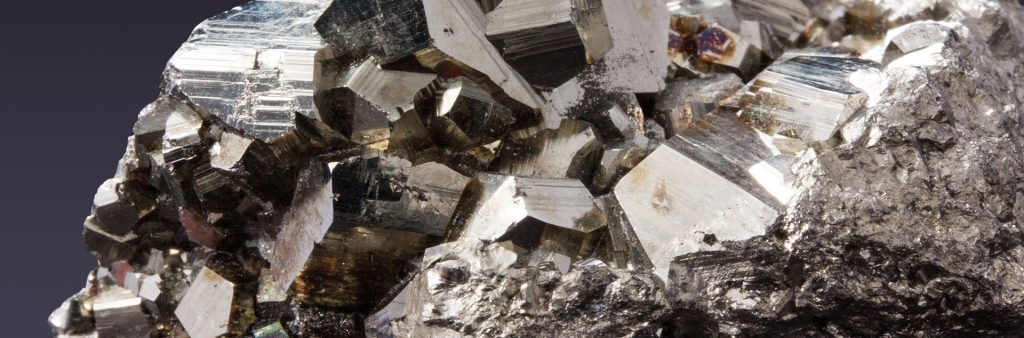
Market Overview
Mica is a naturally occurring silicate mineral that can be split into thin, transparent sheets. The most commonly used types include muscovite, phlogopite, biotite, and synthetic mica. Natural mica is primarily mined and processed into forms such as mica sheets, mica flakes, and mica powder, while synthetic mica is produced to meet high-purity and performance requirements.
The Mica Market is driven by both natural and synthetic mica demand. While natural mica remains widely used due to its availability and cost-effectiveness, synthetic mica is gaining traction in applications requiring high thermal stability, purity, and consistent performance, particularly in electronics and cosmetics.
Key Market Drivers
One of the primary drivers of the Mica Market is the growing electronics and electrical industry. Mica’s excellent dielectric strength and heat resistance make it ideal for use in electrical insulation, capacitors, cables, and electronic components. As demand for consumer electronics, electric vehicles, and renewable energy systems increases, the need for reliable insulating materials is rising.
The construction industry is another major growth driver. Mica is used in cement, wallboards, roofing materials, and decorative applications to improve strength, durability, and aesthetic appeal. Urbanization and infrastructure development, especially in emerging economies, are fueling demand for mica-based construction materials.
Additionally, the paints, coatings, and cosmetics industries are contributing to market growth. Mica flakes are widely used in decorative coatings for shimmer and durability, while in cosmetics, mica provides sparkle, smooth texture, and enhanced visual appeal in products such as eyeshadows, lipsticks, and foundations.
Market Restraints
Despite its broad applicability, the Mica Market faces several challenges. Ethical and sustainability concerns related to illegal mining and child labor in certain regions have drawn global attention. These issues have prompted stricter regulations, supply chain audits, and a shift toward responsibly sourced and synthetic mica.
Price volatility and dependence on mining output can also impact market stability. Environmental regulations related to mining activities may restrict supply in some regions, increasing production costs.
Market Segmentation
The Mica Market can be segmented based on product type, source, application, and end-use industry.
By product type, the market includes mica sheets, mica flakes, mica powder, and mica blocks. Mica powder holds a significant share due to its widespread use in paints, plastics, rubber, and cosmetics.
Based on source, the market is divided into natural mica and synthetic mica. Natural mica dominates in volume, while synthetic mica is gaining importance in high-performance and ethical sourcing applications.
In terms of application, electrical and electronics account for a major share, followed by construction, paints and coatings, plastics, rubber, and cosmetics.
Regional Analysis
Asia-Pacific dominates the global Mica Market, supported by abundant natural reserves and strong industrial growth in countries such as India, China, and Japan. India is one of the largest producers and exporters of natural mica.
North America and Europe represent mature markets, with demand driven by electronics, automotive, and cosmetics industries. These regions emphasize high-quality and ethically sourced mica, accelerating the adoption of synthetic alternatives.
Latin America, the Middle East, and Africa are emerging markets, benefiting from infrastructure development and growing industrial applications.
Technological Advancements
Technological innovation is shaping the Mica Market through improved mining, processing, and synthetic production techniques. Advanced beneficiation methods enhance purity and consistency, while synthetic mica production offers controlled quality, high thermal resistance, and compliance with ethical sourcing requirements.
In addition, surface-treated mica products are being developed to improve compatibility with polymers, coatings, and cosmetic formulations.
Competitive Landscape
The Mica Market is moderately fragmented, with a mix of multinational companies and regional producers. Key players focus on securing reliable raw material sources, improving processing efficiency, and expanding value-added product portfolios.
Strategic initiatives such as mergers, partnerships, and investments in synthetic mica production are increasingly common as companies adapt to regulatory and ethical pressures.
Sustainability and Ethical Considerations
Sustainability is a major focus in the Mica Market. Manufacturers are investing in responsible sourcing programs, traceability systems, and community development initiatives. Synthetic mica is gaining popularity as a sustainable alternative that eliminates concerns related to mining practices.
Future Outlook
The Mica Market is expected to grow steadily over the coming years, driven by expanding electronics, construction, and cosmetics industries. Increasing awareness of ethical sourcing and environmental responsibility will continue to influence market dynamics.
Emerging technologies, electric vehicles, and renewable energy systems are likely to create new growth opportunities for high-performance mica products.
Conclusion
In conclusion, the Mica Market is a vital and versatile sector within the global materials industry. Its unique physical and chemical properties make mica indispensable across multiple applications, from electrical insulation to cosmetics. While challenges related to ethical sourcing and environmental impact persist, ongoing technological advancements, increased regulatory oversight, and the rise of synthetic mica are expected to support sustainable and long-term growth of the global mica market.
Other Report Zion Market Research:
https://www.zionmarketresearch.com/de/report/heparin-market
https://www.zionmarketresearch.com/de/report/upstream-bioprocessing-market
https://www.zionmarketresearch.com/de/report/elispot-and-fluorospot-assay-market
https://www.zionmarketresearch.com/de/report/hollow-concrete-blocks-market
https://www.zionmarketresearch.com/de/report/cell-based-assay-market